
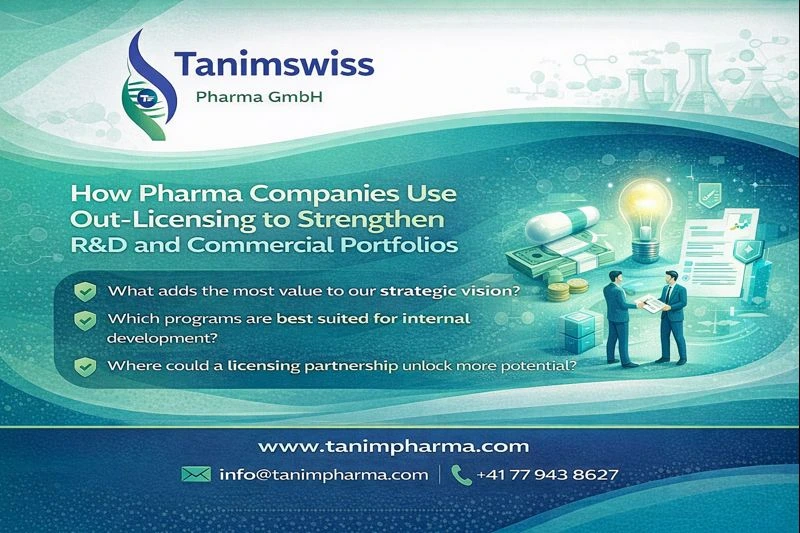
In the fast-paced world of medicine and drug development, the smartest companies don’t just innovate—they collaborate. One of the most effective ways pharmaceutical companies unlock value and expand their impact is through out licensing in the pharmaceutical industry.
Put simply, outlicensing allows a company to grant rights to another organization to develop, manufacture, or commercialize a product—while keeping ownership and benefiting from its success.
When paired with thoughtful portfolio management in pharma, out-licensing becomes a strategic engine that strengthens both R&D focus and commercial reach.
Understanding Out-Licensing and Why It Matters
At its core, pharmaceutical out licensing is about making sure promising discoveries don’t get stuck on a shelf. Not every company has the same strengths—some excel in early-stage research, others in commercialization. Rather than trying to do everything themselves, many choose to out license pharma assets to partners who can better take them further.
This is especially true with out licensing pharmaceutical products, where timing, market access, and therapeutic fit make all the difference.
When we talk about in licensing and out licensing in pharma meaning, we’re describing a broader ecosystem of collaboration—where companies bring in external innovations (in licensing) and share out ones they can’t fully pursue (out licensing). This balance—in licensing out licensing pharma—helps maintain a healthy, dynamic pipeline.
Supporting R&D with Strategic Out-Licensing
Research and development are expensive and unpredictable. Not every promising molecule or platform fits a company’s strategic priorities or timelines. That’s where out-licensing becomes a smart choice.
By choosing to out license pharma assets:
- Companies can reduce development risk
- Internal teams can focus on core, high-priority programs
- Valuable science doesn’t languish unused
For example, a small biotech with an exciting compound in an underserved market may partner with a larger firm that has the regulatory expertise and infrastructure to bring it to patients faster.
This isn’t just about passing things off—it’s about portfolio management in the pharmaceutical industry. Teams that understand the science and the business make data-informed decisions about what stays in-house and what is better developed with a partner.
Commercial Growth Through Partnerships
Many pharma companies find that out-licensing accelerates commercial success. A partner with strong regional presence or therapeutic expertise can take a product further, faster, and with greater impact.
Well-written out licensing contracts in pharmaceutical industry clarify expectations for both sides, including:
- Territories and rights
- Milestones and financial terms (upfront fees, royalties)
- Regulatory responsibilities
- Intellectual property protections
Clear out licensing contracts pharmaceutical industry help build trust and ensure that everyone is working toward shared goals.
How Portfolio Managers Drive Better Outcomes
The role of a portfolio manager pharma has never been more important. These professionals help balance risk and reward, ensure internal teams aren’t overstretched, and guide decisions about which assets to pursue internally and which to license out.
Good pharmaceutical portfolio management isn’t about saying yes or no—it’s about asking the right questions:
- What adds the most value to our strategic vision?
- Which programs are best suited for internal development?
- Where could a licensing partnership unlock more potential?
When these questions lead licensing strategies, out-licensing becomes a tool for growth instead of just a shortcut.
Real Support for Real Strategy
Partnerships don’t happen in a vacuum, and companies often look for expert guidance to make complex decisions easier.
Learn more about how specialized firms help with strategic partnership, licensing, and portfolio management here.
Conclusion
Out-licensing isn’t just a business tactic—it's a strategic path that empowers pharma companies to focus on what they do best, reach broader patient populations, and maximize the value of every innovation.
By bringing together thoughtful partnerships, well-negotiated contracts, and strong portfolio management in pharma, companies can strengthen both their R&D engines and commercial portfolios in meaningful and lasting ways.