
Running a clinical trial is a bit like orchestrating a complex symphony. Every component has to arrive on time, work in harmony, and meet strict standards. Two supply elements that are often mentioned together—but serve very different roles—are clinical supplies and comparator drug sourcing.
Although both are essential, confusing the two can lead to delays, compliance risks, or even trial failure. Let’s break down what makes them different, why those differences matter, and how the right sourcing strategy can protect your trial from unnecessary risk.
What Are Clinical Supplies?
Clinical supplies include all the materials needed to run a trial—everything except the investigational product and the comparator drug.
Think of them as the tools and support systems that allow sites and patients to participate smoothly.
Common Clinical Supplies Include:
- Ancillary or rescue medications
- Laboratory kits and diagnostic materials
- Packaging and labeling components
- Medical devices and consumables
- Patient kits, manuals, and trial documentation
These items are typically managed through clinical trial sourcing processes that focus on forecasting, packaging, and distribution across global sites.
What Is Comparator Drug Sourcing?
Comparator drug sourcing refers to the procurement of approved, commercially available medicines used as reference treatments in clinical trials. These drugs are essential in randomized and blinded studies to demonstrate safety, efficacy, and therapeutic equivalence.
Unlike general clinical supplies, comparator sourcing for clinical trials involves navigating regulatory complexity, country-specific availability, and supply chain risk. Many sponsors turn to specialized partners that offer RLD and comparator drug sourcing services as part of a broader supply chain strategy.
Why Comparator Sourcing Is More Complex
Comparator sourcing is challenging because it:
- Involves branded or approved generic medicines
- Requires exact country-specific versions for multinational trials
- Must comply with strict GMP and regulatory expectations
- Is often impacted by market shortages or allocation restrictions
This is why comparator sourcing companies play such a critical role in protecting study timelines and data integrity.
Clinical Supplies vs. Comparator Drug Sourcing at a Glance
| Aspect | Clinical Supplies | Comparator Drug Sourcing |
|---|---|---|
| Purpose | Trial operations support | Reference treatment |
| Regulatory complexity | Moderate | High |
| Supply risk | Low to moderate | High |
| Geographic variability | Limited | Extensive |
| Specialized vendors | Sometimes | Almost always |
| Impact on trial integrity | Indirect | Direct |
A delay in clinical supplies may inconvenience sites—but a failure in comparator sourcing can halt or invalidate an entire study.
Why Strategic Comparator Sourcing Matters
Strategic comparator sourcing means planning early, sourcing proactively, and preparing for market disruptions before they occur.
This approach:
- Reduces delays caused by shortages
- Ensures consistency across global trial sites
- Maintains blinding and randomization
- Supports smoother regulatory inspections
For more information and articles related to comparator drug sourcing visit our LinkedIn page.
The Role of Comparator Drugs Suppliers
A reliable comparator drugs supplier provides far more than drug procurement.
They support:
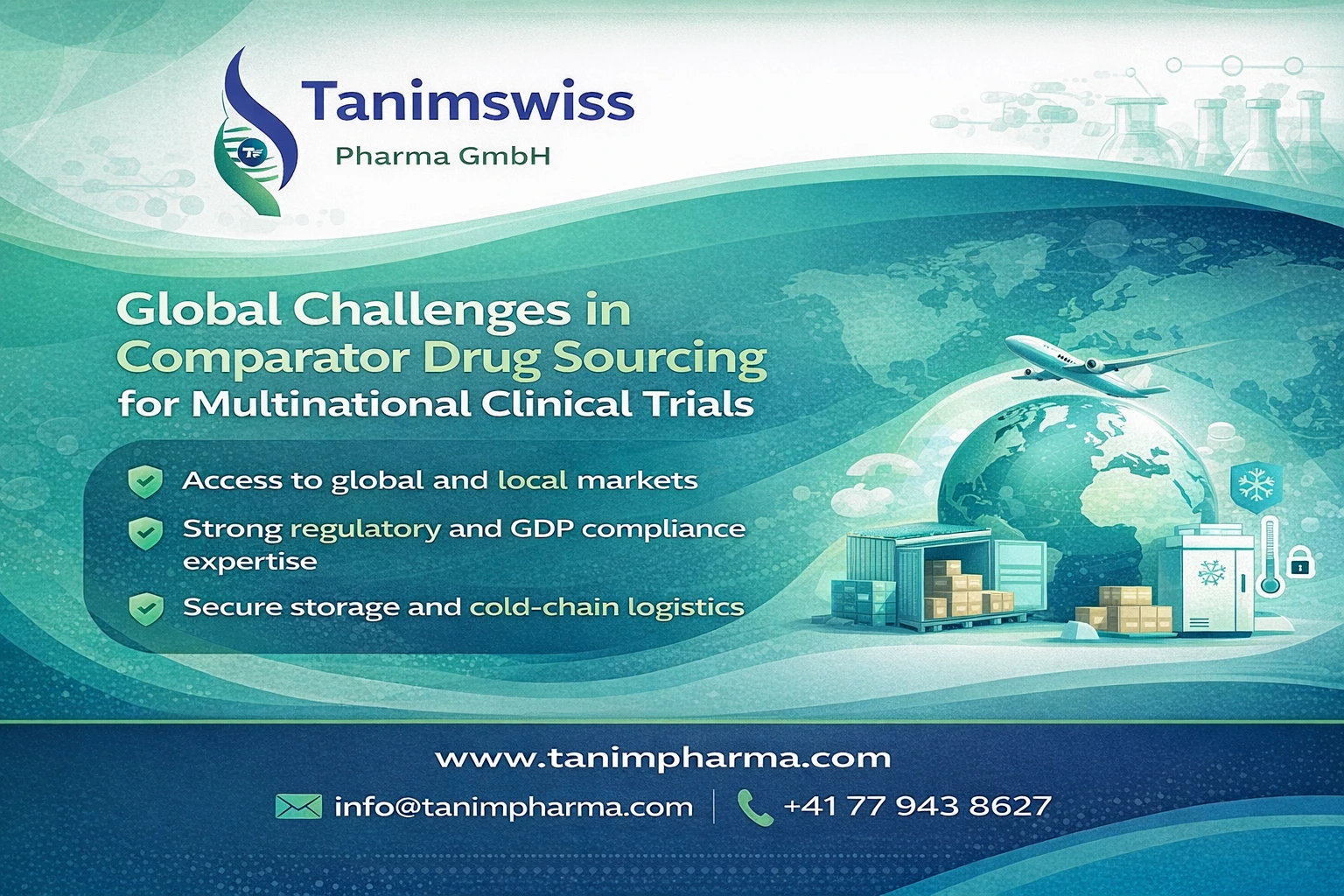
- Access to global and local markets
- Parallel importation (where permitted)
- GMP-compliant storage and logistics
- Complete documentation for audits
- Risk mitigation during shortages or recalls
Established comparator drug sourcing companies maintain strong relationships with manufacturers and authorized distributors, ensuring uninterrupted supply from trial start to closeout.
In-House Sourcing vs. Comparator Sourcing Companies
While some sponsors attempt in-house sourcing, most rely on experienced comparator sourcing companies due to the specialized regulatory and market knowledge required.
Advantages of External Comparator Sourcing:
- Faster access to hard-to-source medicines
- Lower risk of protocol deviations
- Scalable solutions for global trials
- Strong regulatory and compliance support
Final Thoughts
Clinical supplies keep trials operational.
Comparator drugs protect trial validity.
Understanding this distinction—and partnering with the right comparator drug sourcing experts—helps sponsors reduce risk, control costs, and maintain regulatory confidence.
With the right balance of clinical trial sourcing and comparator sourcing for clinical trials, studies can move forward smoothly, efficiently, and compliantly.